When the world of jewelry meets the magic of the seventh art
For almost a century, cinema and the great fashion houses have been building a shared narrative made of light, memory, and desire. Even before social media defined trends or turned unknown names into success stories, it was on the silver screen that many brands found their most powerful voice. It’s fascinating to see how these images endure. Some last only a few minutes, others a single gesture, but they all convey something essential: influence is born when aesthetics, context, and authenticity come together.
In early 20th-century Hollywood, it was discovered that the glamour wasn’t only in the spotlights but also in the details. Every necklace, every watch, every piece showcased with almost choreographed precision helped shape the visual language of pop culture. The fashion houses understood early on that cinema was more than entertainment. It was a gateway to the collective imagination, a stage where objects turn into symbols and narratives gain emotional depth. Long before digital marketing existed, the experience of influence was already being written on film.
The kind of brilliance that transcends generations
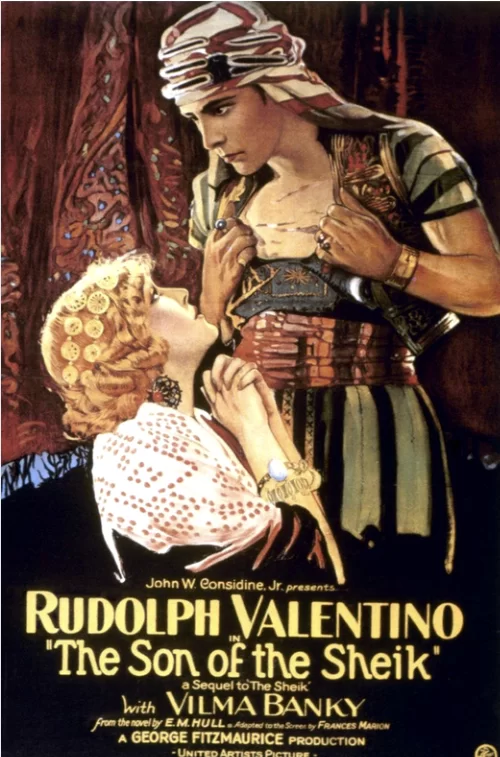
In 1926, Cartier took its first steps into this universe when the Tank watch appeared in the film The Son of the Sheik. The maison may not have known at that moment that it was launching a legacy. The choice seemed simple, but it marked the start of an aesthetic presence that would span generations. That appearance cemented the Tank as a cultural icon, one of the most photographed watches in the world. Decades later, the house reaffirmed this bond by celebrating its partnership with the Venice Film Festival, showing that cinema remains a realm of beauty, memory, and image-making.
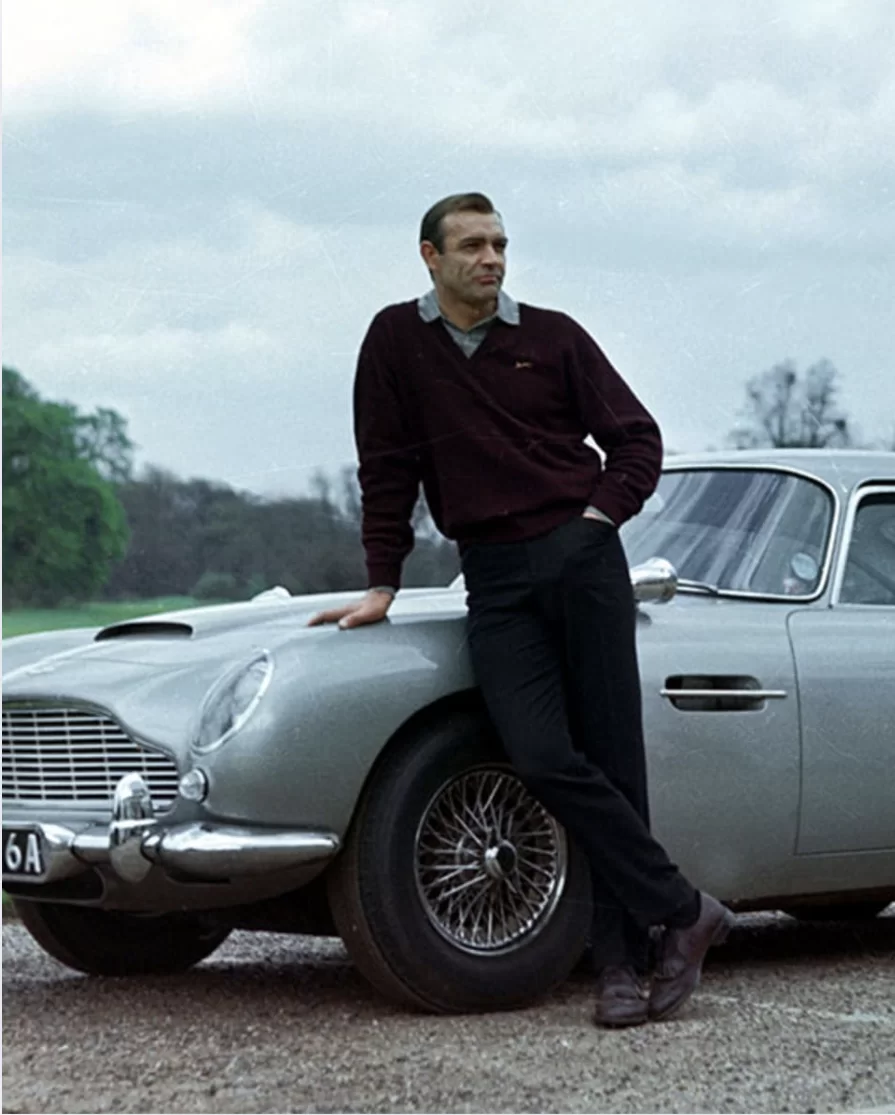
Elsewhere in this story, in 1964, James Bond found his ultimate partner. Goldfinger’s Aston Martin didn’t just accompany the secret agent—it helped define him. The car became a character, a visual language, and an expression of desire. It’s a clear example of how a product, when placed in the right context, becomes inseparable from a narrative, transcending its original function to become culture.
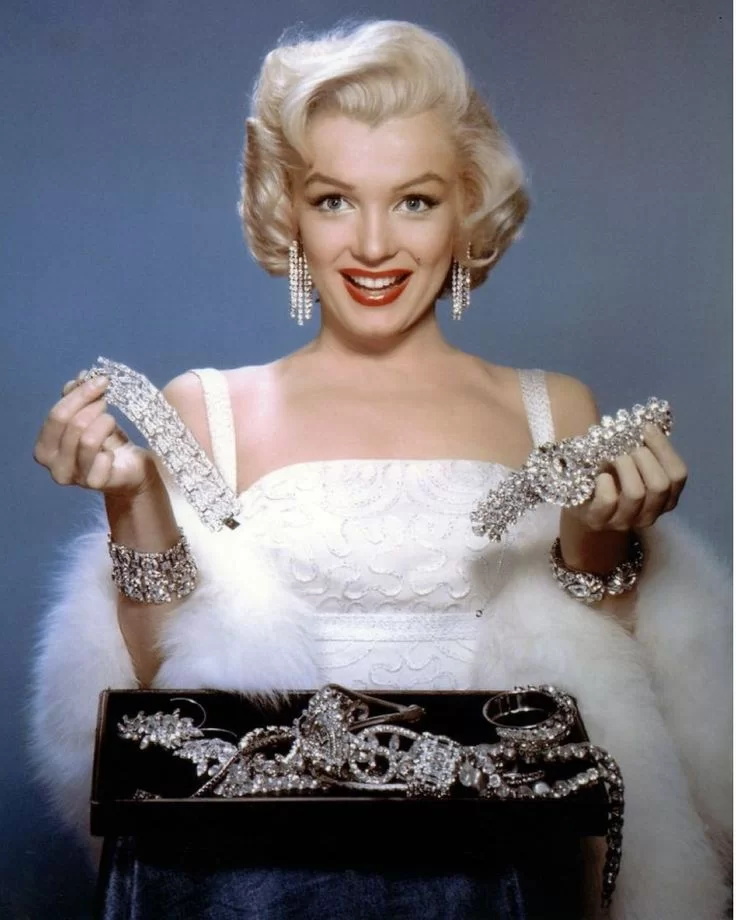
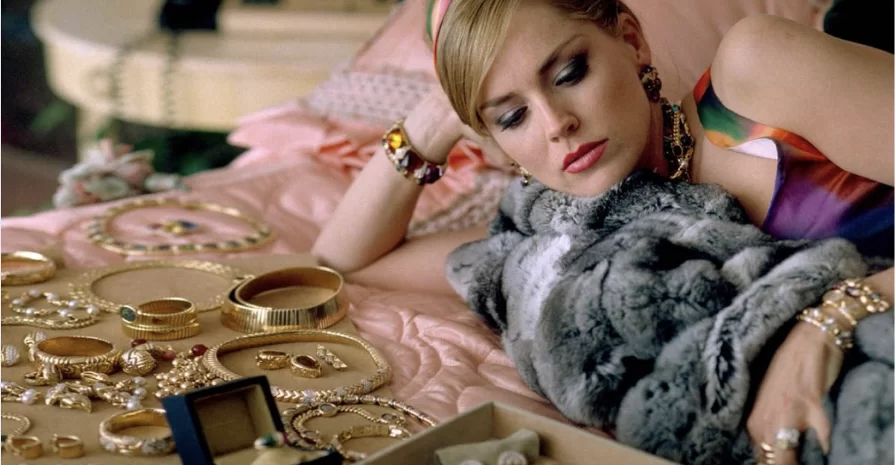
In the ’90s, it was Bulgari that created one of the most emblematic moments in glamorous cinema. In Casino (1995), Sharon Stone wraps herself in a chinchilla coat while admiring the maison’s jewels. The scene is brief, but it encapsulates the entire aesthetic of a decade marked by excess, sparkle, and a very specific idea of female power. Bulgari had been shining among the stars since the ’50s, but it was here that it set a definitive milestone in cinematic memory.
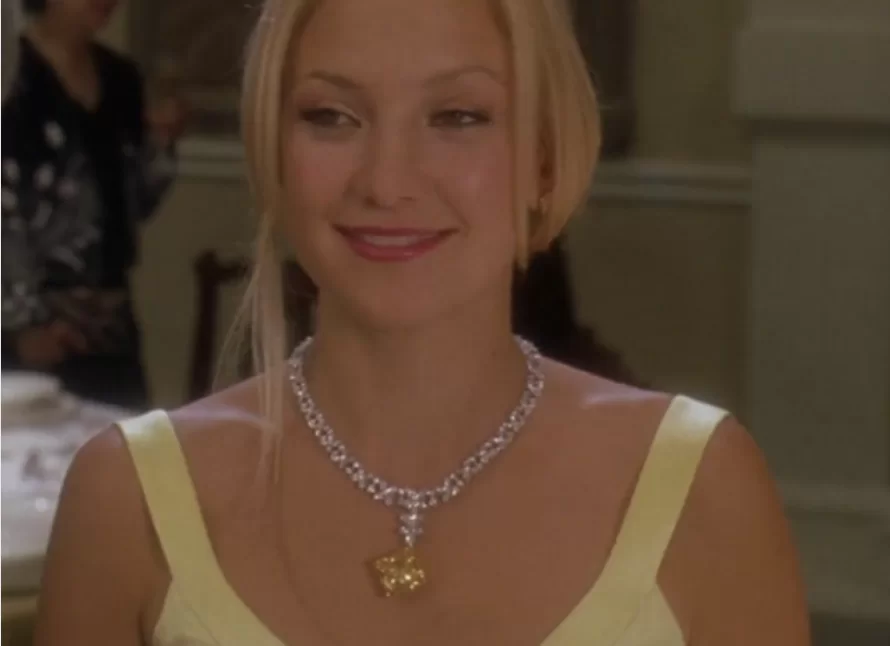
In 2003, the relationship between fashion, character, and narrative entered a new chapter when Harry Winston introduced the world to the Isadora necklace, created especially for the film How to Lose a Guy in 10 Days. The 84-carat yellow diamond became as iconic as the equally yellow dress worn by Kate Hudson. It was impossible to separate the character from that image. The piece took on a life of its own, remembered as one of the most striking jewels in contemporary cinema.
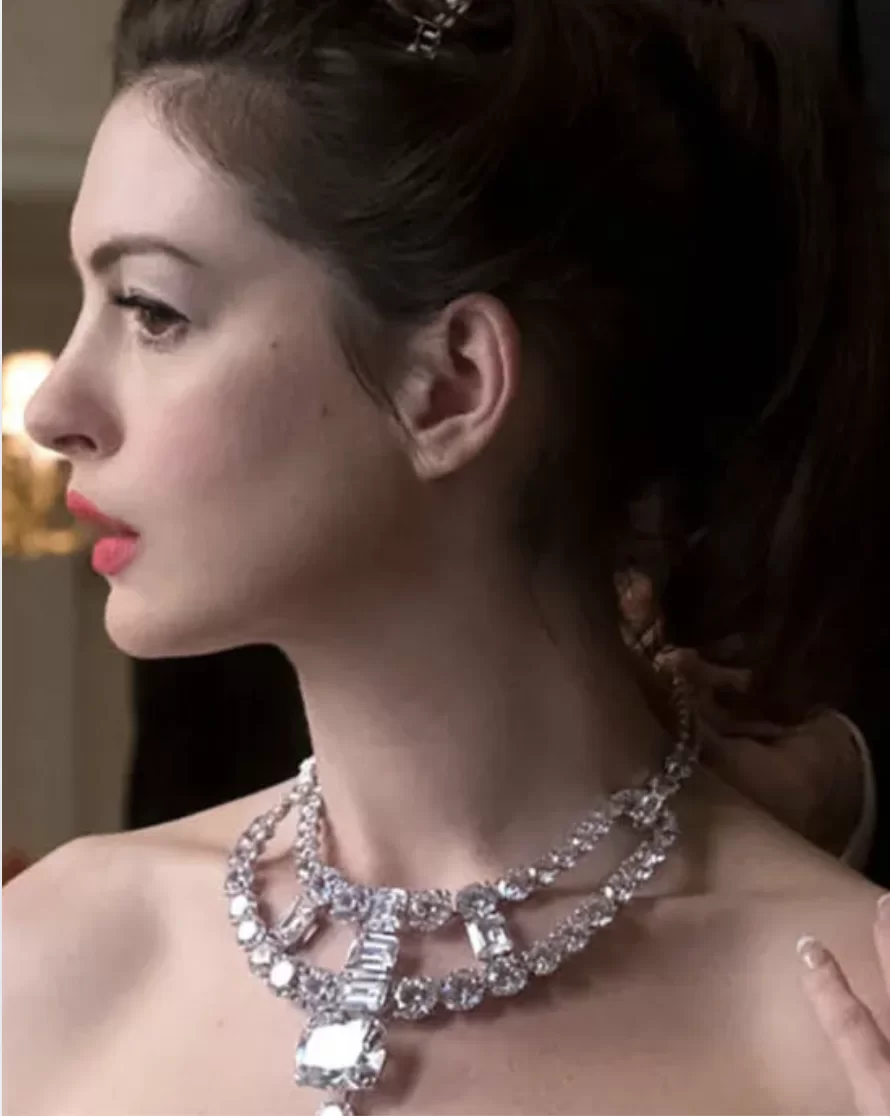
More recently, in 2018, the past came to life again in Ocean’s 8. Cartier delved deep into its archives to recreate the Jeanne Toussaint necklace, originally designed in 1931. The piece not only sparkled on screen but also crossed the boundary of fiction by inspiring a real-life collection. It’s a reminder that history and innovation can coexist when there is vision and respect for legacy.
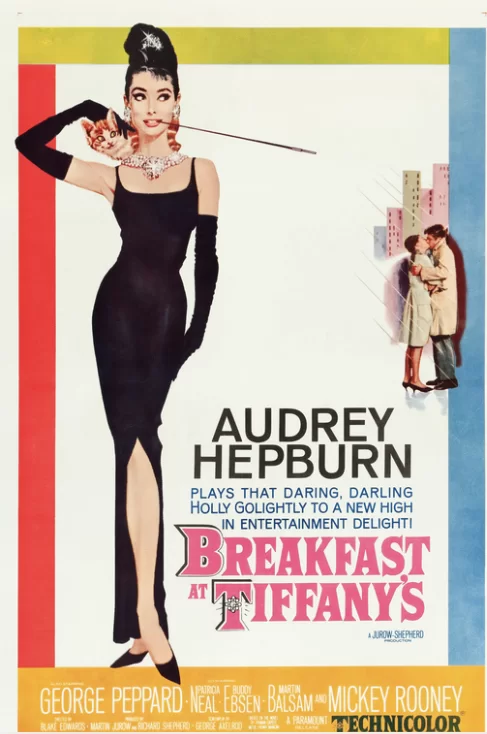
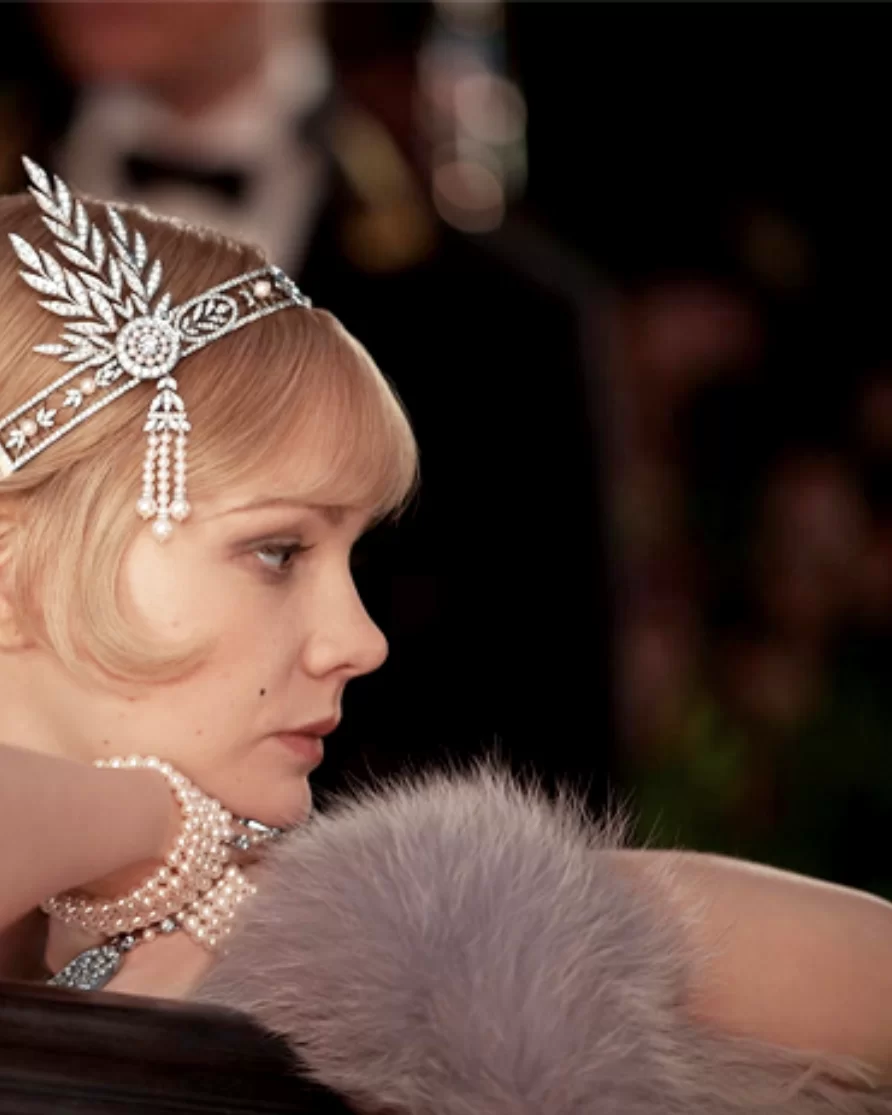
The same happened when Tiffany & Co. was invited to outfit the world of The Great Gatsby (2014). To give authenticity to the exuberance of the Roaring Twenties, the maison researched its own historical archives and created jewels that accurately captured the era’s splendor. The result was a fusion of fiction and memory, where each piece helped build the effervescent atmosphere of the American dream envisioned by Baz Luhrmann.
What all these narratives reveal is a pattern that goes beyond cinema. They show how consistency, repertoire, vision, and presence build true influence. The journey of the fashion houses in Hollywood, therefore, is not just a collection of beautiful scenes. It’s a study of how objects become symbols, how brands build relevance, and how images take on a life of their own. A silent lesson in influence done right, shaped by precise choices, consistent positioning, and narratives that endure.