The History of Jazz and the Sound that Changed the World
A deep dive into the sound that crossed continents, shaped styles, influenced generations, and became one of the most sophisticated languages of modern culture
There are sounds that span decades, that survive changes in style, technology, and behavior. There are songs that belong not just to an era, but to a sensibility. Jazz is exactly that. Born from pain and genius, it crossed borders, filled salons, clubs, alleys, theaters, and runways, and became more than a rhythm. It became language, aesthetic, and identity. Its history is also the story of how freedom persists, reinvents itself, and finds new ways to exist. From the improvised chaos of the streets of New Orleans to the elegant clubs of Paris and Tokyo, jazz remains one of the most sophisticated and sensory cultural expressions the world has ever produced.
More than a musical genre, jazz was a way of being in the world. Since the beginning of the century, it expressed the complexity of the African American experience, transforming pain into creation, struggle into harmony, and improvisation into art. It was born from the meeting of street brass bands, Black spirituality, ancestral blues, and Caribbean rhythms traveling through ports. This diverse cradle shaped a sound that never wanted to be contained. A sound that breathed freedom and spoke a new language, able to convey pure emotion through loose notes, unexpected phrases, and musical conversations that changed every night.
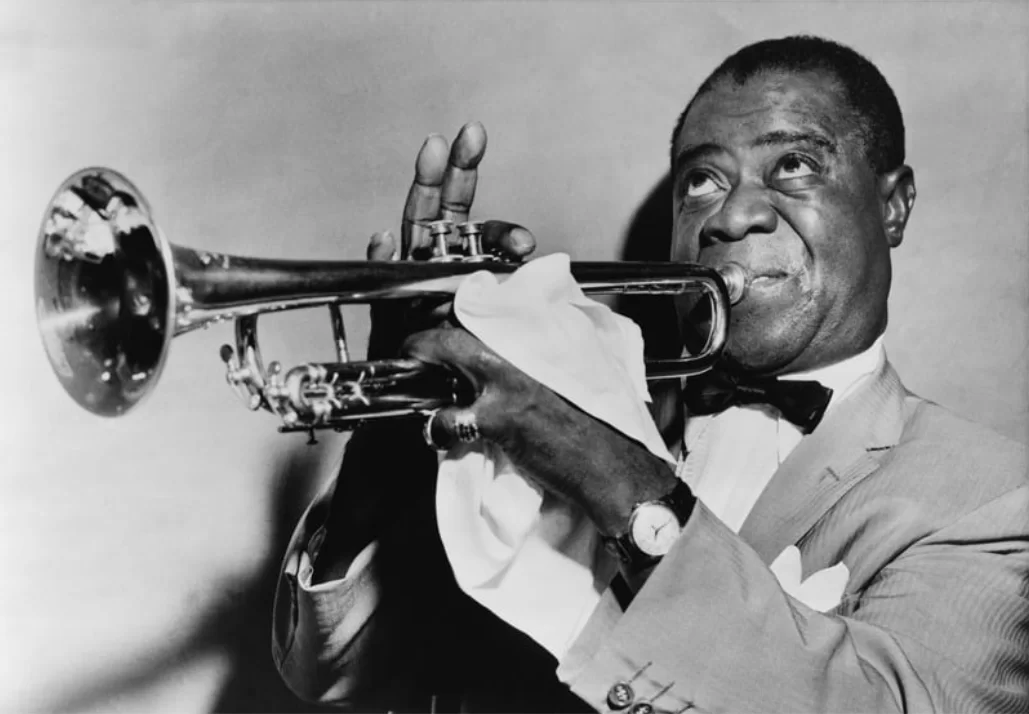
The first great beat of this story happened in New Orleans. In the French Quarter of the 1900s, jazz emerged raw, syncopated, vibrant. It was the rhythm of spontaneous improvisation, of small bands playing for dancers, sailors, families, and onlookers. Louis Armstrong was still a boy, but he was already learning from the world around him that music is not just technique, it is survival. In cramped bars and street parades, melodies were born that seemed chaotic, yet carried the intuitive precision of those who feel before thinking. Jazz was beginning its journey as a sound of community and preparing to conquer the world.
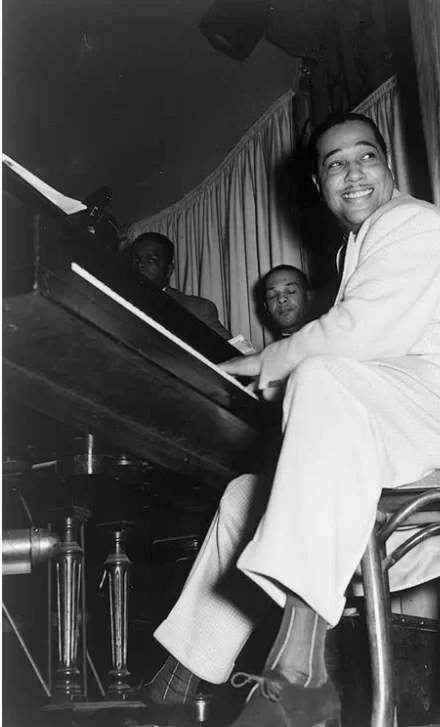
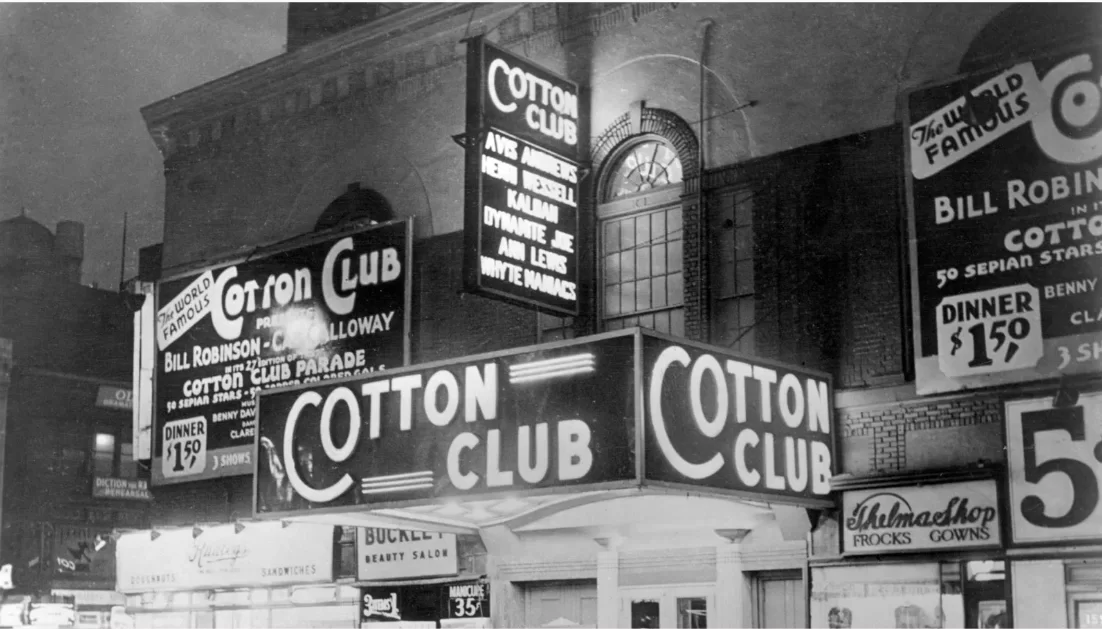
When it reached Harlem in the 1930s, jazz became a spectacle. It was the swing era. Big bands filled crowded halls with lush arrangements, impeccable suits, polished shoes, and vibrant energy. Duke Ellington led the Cotton Club as if he were a maestro of destiny. Jazz became dance, became choreography, became a symbol of elegance and resistance in a time marked by social challenges and racial tensions. The nights in Harlem proved that music can be collective redemption, where wealth and pain share the same beat.
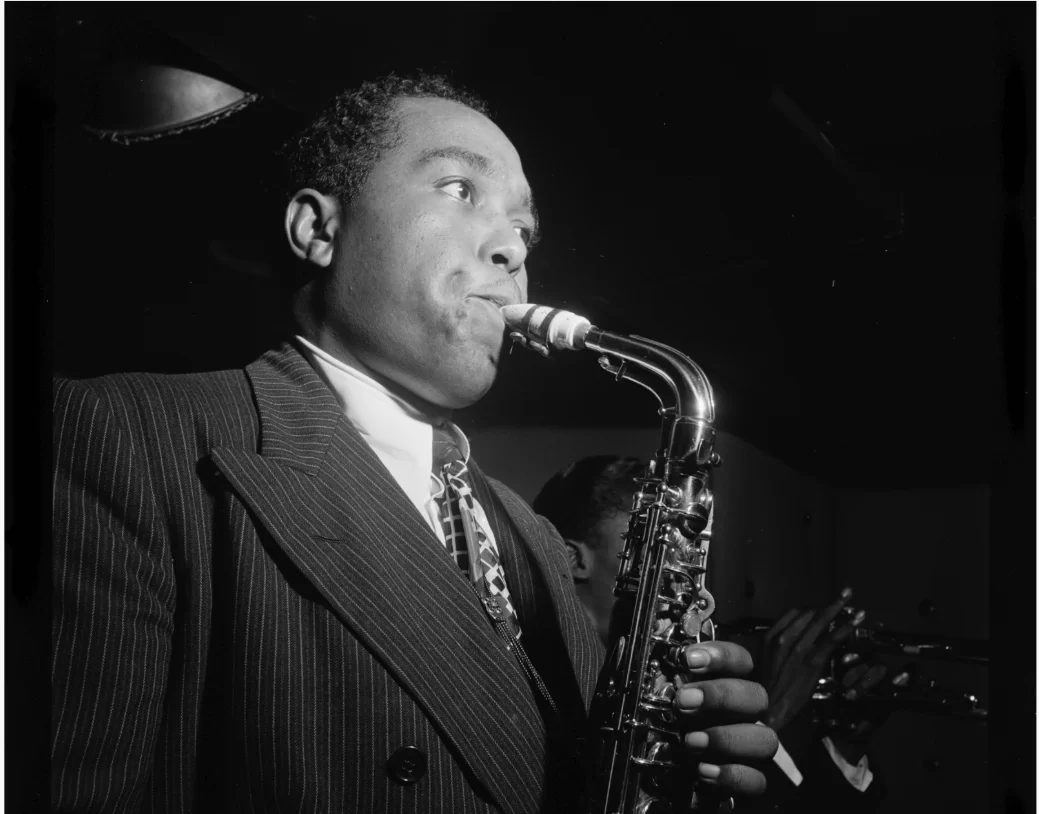
In the 1940s, something changed again. In New York’s smoky little clubs, a new sound began to grow: bebop. It was fast, sophisticated, cerebral. Dizzy Gillespie, Charlie Parker, and Thelonious Monk rejected the predictability of big bands and created a jazz that was almost philosophical, where improvisation became thought in motion. Jazz ceased to be just dance and became musical reflection. The quick, angular phrases were like inner dialogues brought to the surface, inaugurating a new aesthetic—more intimate, more complex, and profoundly revolutionary.
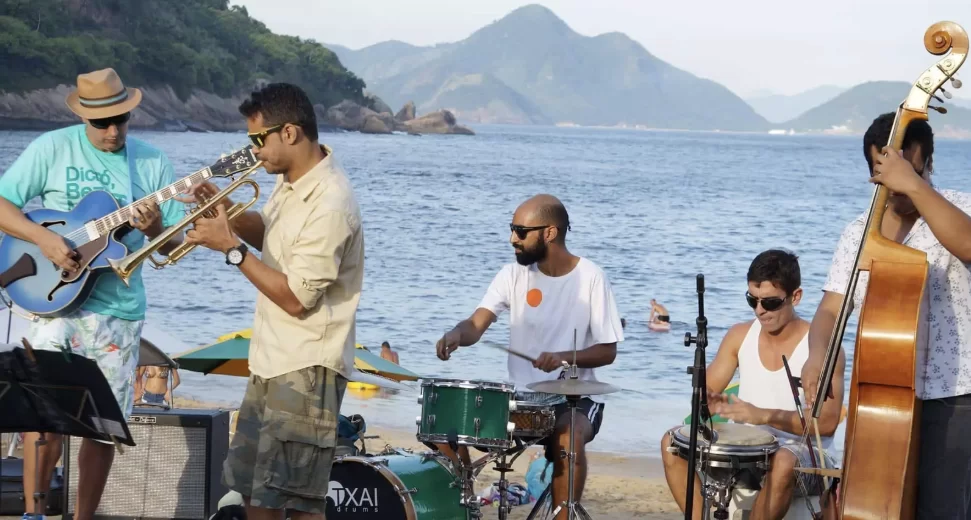
Meanwhile, jazz was crossing oceans. In Paris, it was an intellectual bohemia. In the underground clubs of Saint-Germain-des-Prés, it echoed among cafés, artists, philosophers, and young existentialists. In Tokyo, it found technical precision, absolute respect, and intimate clubs where silence was almost a ritual. In Rio de Janeiro, it blended with bossa nova alongside Jobim and Getz, creating one of the most elegant and sensual encounters in music history. Jazz became a global accent. It was the same soul, but with different nuances in each city, as if each place offered a new color to the same melody.
Today, jazz remains alive. And not just alive, but reinvented. It lives on collectors’ vinyl, Spotify playlists, cult film soundtracks, independent jam sessions, meditation playlists, and even on the red carpets of the MET Gala. It continues to be the soundtrack of intimate dinners, long journeys, fashion editorials, and moments that demand depth. Jazz does not age because it never belonged to time. It belongs to sensibility.
The story of jazz is, at its core, the story of how freedom finds form. It is about the impulse to improvise, to challenge rules, to create new ones. It is about transforming silence into rhythm, chaos into harmony, and vulnerability into beauty. Jazz is not just music. It is soul. It is style. It is that which remains even when all trends pass.