A look at how Pierre Yovanovitch has transformed silence, light, and form into a language that influences, soothes, and redefines contemporary refinement
There are architects who build spaces and there are architects who build atmospheres. Pierre Yovanovitch belongs to that rare second category, those who understand that architecture is born not only from walls, measurements and volumes, but from a certain kind of silence that precedes form. A silence that organizes the gaze and creates, before anything else, a sensation. His work has become an international reference because it offers something the contemporary world seldom delivers: calm. Not an empty calm, but one born of precision, choice and intention. It is the kind of influence that establishes itself slowly, that needs no slogans, that does not depend on fads. His strength comes from a profound coherence between what he sees, what he feels and what he builds.
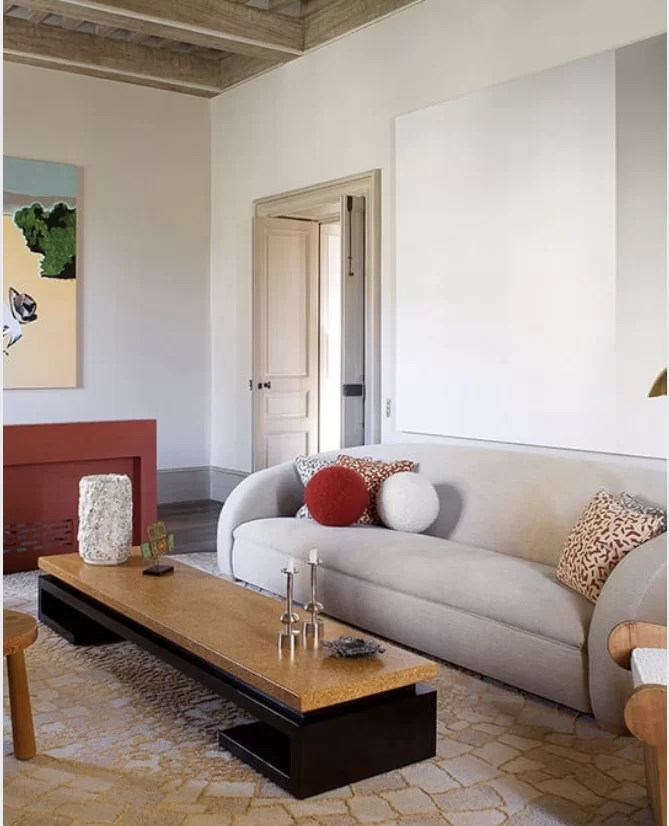
Yovanovitch’s minimalism is not absence, and has never been synonymous with coldness. He has created a language born from the balance between structure and softness, form and delicacy, function and hospitality. In his environments, nothing is excessive and nothing is rigid. The lines are restrained, but never harsh. The volumes are generous, yet discreet. There is a constant sense that everything is in the right place, as if each project were the result of innumerable silent conversations among materials, light and scale. His aesthetic has become so influential because it translates a contemporary desire for interiors that embrace, that convey peace, that offer the day a sense of visual repose.
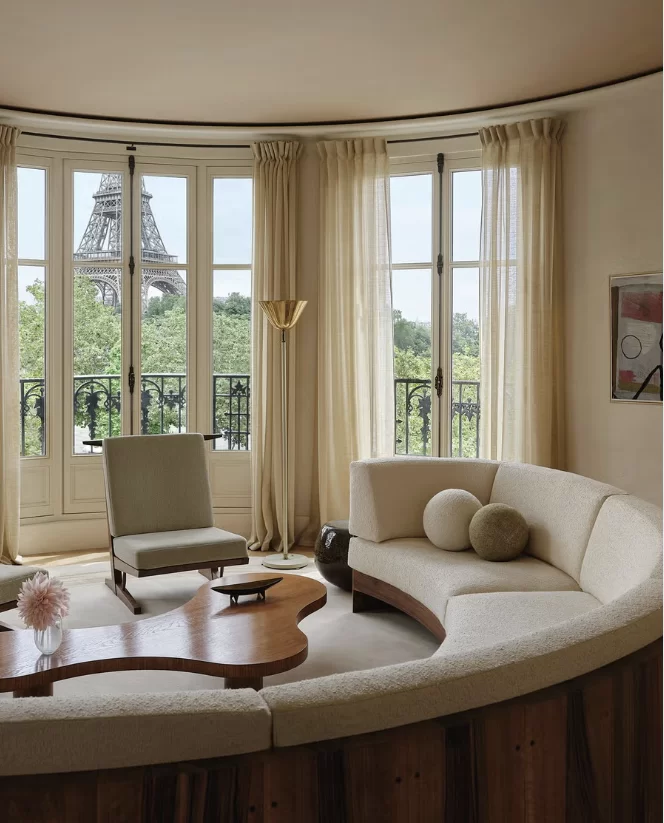
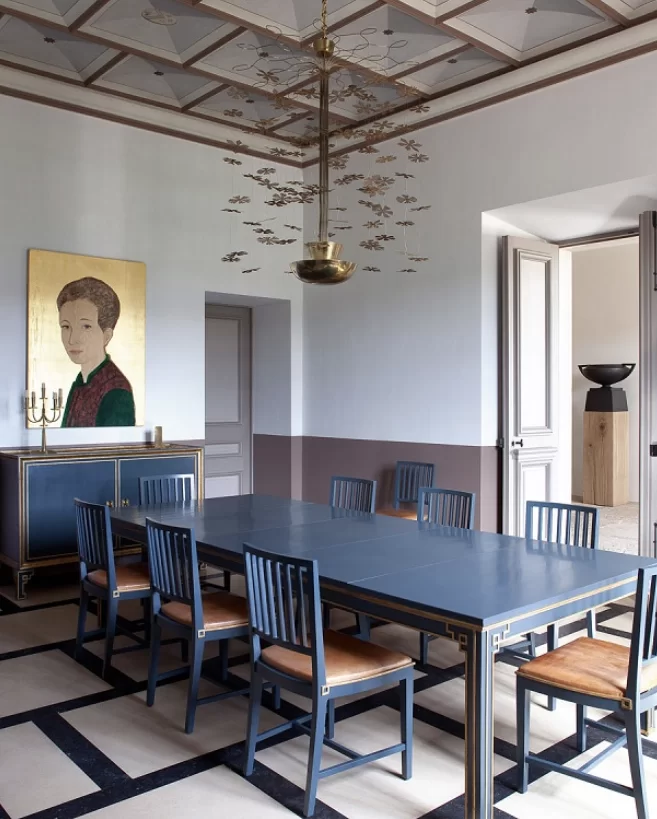
For him, natural light is more than a tool. It is a raw material. Yovanovitch designs spaces as one would design a luminous choreography. Skylights, broad windows, carefully positioned shadows. Light is as much a protagonist as the furnishings, the fabrics and the art. It’s not about illuminating to reveal everything. It’s about lighting to reveal better. The way brightness traverses his spaces creates subtle rhythms throughout the day and invites a kind of contemplation that seems to displace time. His projects show that light can be architecture before it is technique.
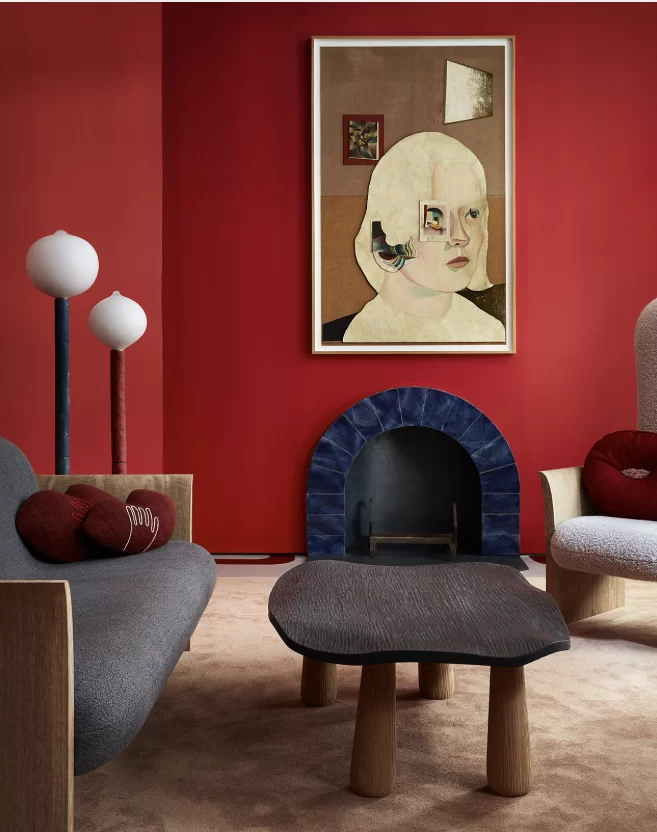
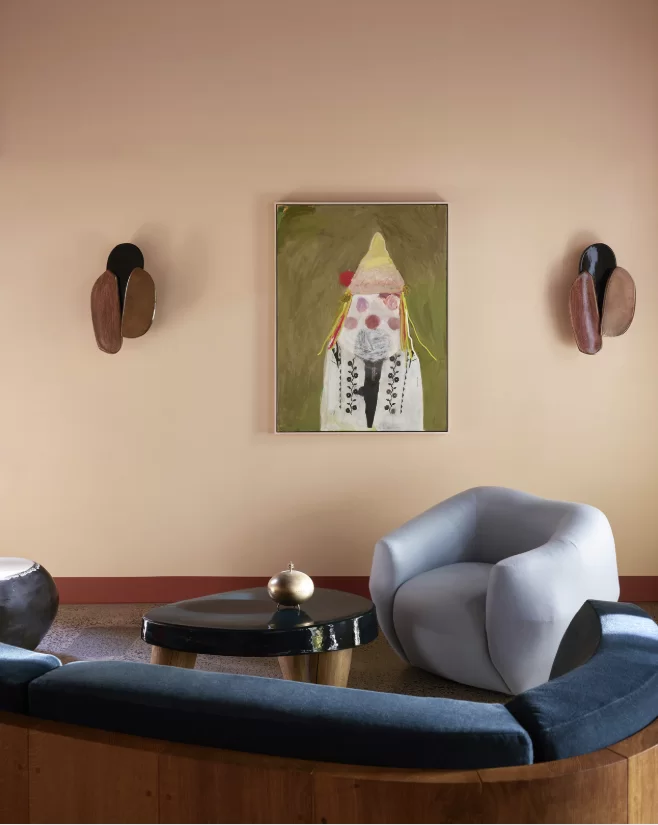
Art occupies the emotional core of his creative process. Yovanovitch does not treat it as a decorative complement, but as a foundational element. Often, a project begins with a sculpture, a rare tapestry or an authored design piece that he discovers on his travels and in independent galleries. He arranges the space around the artwork, creating environments that function as true settings for these pieces to breathe. That is why his houses carry a gallery aura. They are spaces where each element converses with another, where art shapes the energy, the flow and the state of mind of those who enter. There, architecture does not just house art. It amplifies it.
Textures play an equally fundamental role. Linen, oak, boucle wool, matte marble and surfaces that absorb light instead of reflecting it. Each material is chosen for the sensation it provokes, the memory it evokes and the way it ages. Yovanovitch creates environments that you feel before you understand them. Textures that whisper, surfaces that breathe, materials that embrace the eye and the body. The absence of shine is intentional. The focus is on depth, on permanence, on discreet warmth. It’s an aesthetic that appeals to touch as much as to sight.
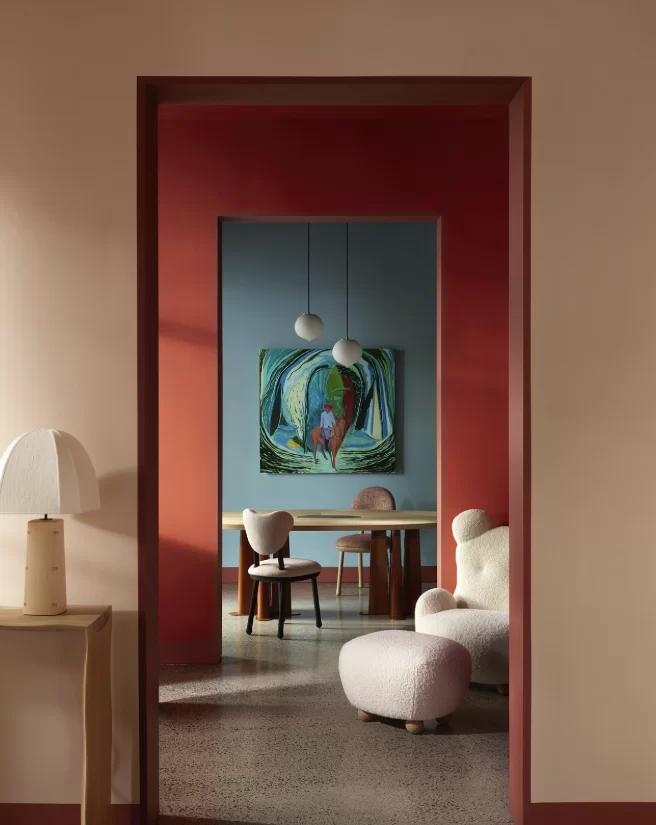
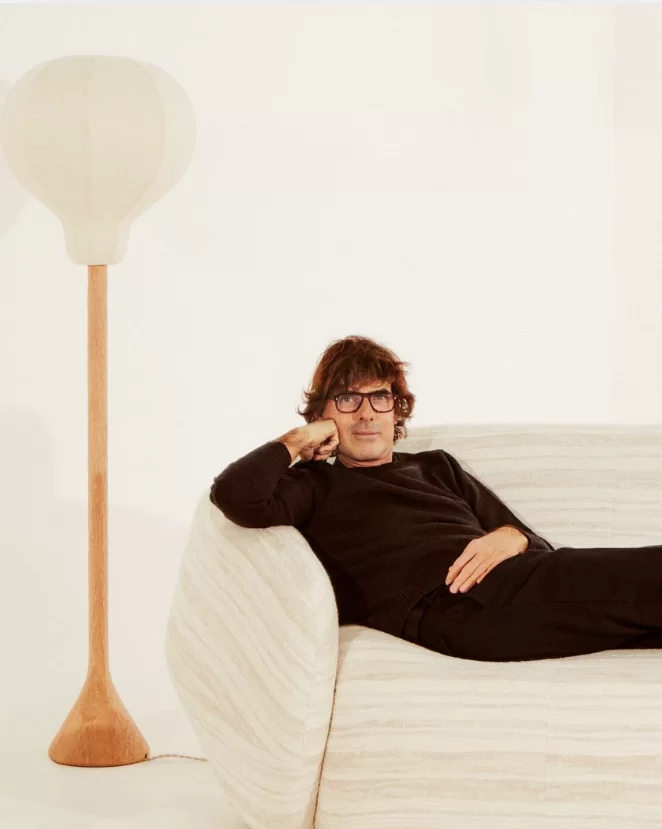
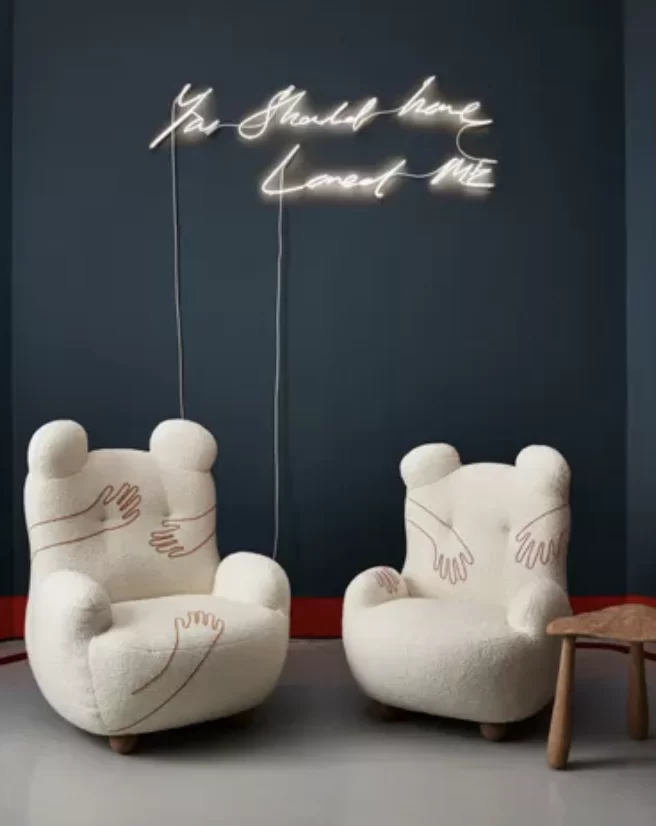
The furniture, often designed by himself, is a natural extension of this language. Armchairs with unexpected curves, tables that flirt with contemporary art, chairs that balance functionality and sculpture. There is a silent logic that organizes each piece. They have presence, but they do not seek the spotlight. They possess personality, but never compete with each other. They are objects created to uphold the overall harmony and reinforce the feeling of hospitality. For Yovanovitch, furniture does not only serve to fill a space. It serves to give it meaning.
His palette of muted tones is another striking element. Sand, tobacco, stone, ice, clay. Colors that soothe, that support light, that create an atmosphere of rest. The almost monochromatic palette is not an aesthetic limitation, but an emotional choice. He understands that color, when used with restraint, underpins the serenity of an interior. It is a palette that spans decades without losing its strength, because it is born from the natural and returns to the natural.
Negative space, so often ignored, is for Yovanovitch an act of mastery. The void does not represent absence, but intention. It is the place where the house breathes, where shadow is cast, where the gaze rests. His influence also lies in this courage not to fill everything, in allowing the space to speak. In a world that tries to occupy every inch with stimuli, he creates environments where visual silence becomes the greatest form of luxury.
His residential projects carry a museum-like aura, and his galleries have the warmth of a home. They inhabit this hybrid ground where living well is an act of curation. Each piece, each light, each color, each texture is there because it brings meaning, not just beauty. These interiors invite a slower, more sensory and more precise life. A life where space is not just a dwelling, but an experience.
Pierre Yovanovitch became an influence not by trying to be one, but by building a language that speaks directly to a deep contemporary desire: to find calm within chaos. His work proves that the essential has never ceased to be extraordinary. And that silence, when well designed, speaks louder than any trend.