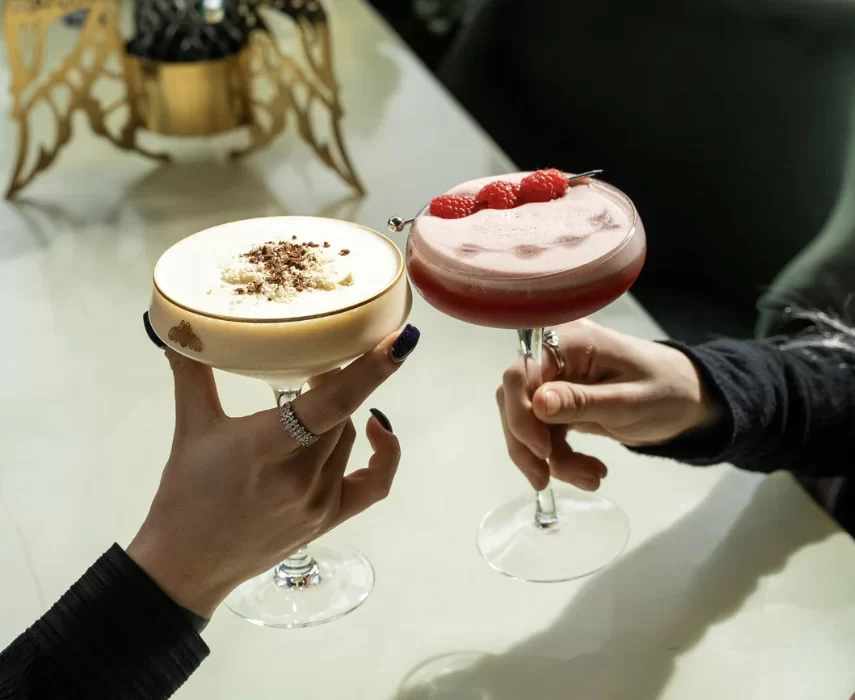
Do vinho grego ao cristal moderno, uma jornada por séculos de rituais, sons e significados que moldaram o brinde como o conhecemos
Toasting is such a natural gesture in contemporary daily life that we rarely stop to think about its origin. We raise our glasses, gently clink the crystal, hear that subtle sound resonating in the air, and continue celebrating. But this seemingly simple act carries a long, symbolic history full of cultural metamorphoses. Toasting involves sound, trust, gratitude, connection, and even philosophy. It is at once a social ritual and a silent language. Traveling through its trajectory reveals how different civilizations have attributed to the act of clinking glasses meanings that go far beyond celebration.
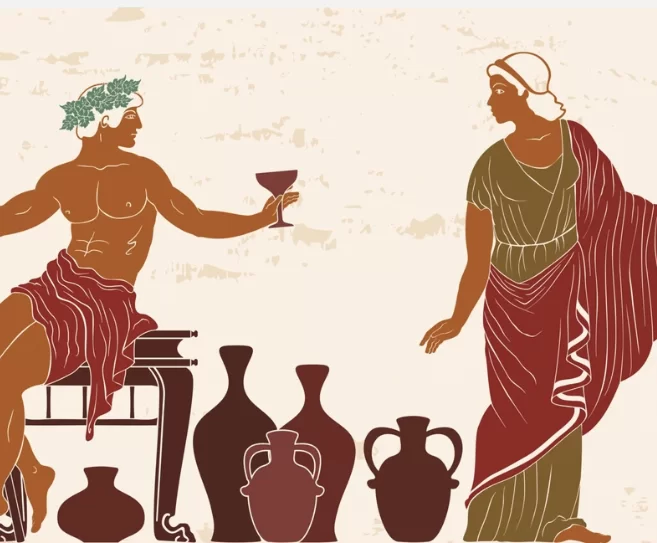
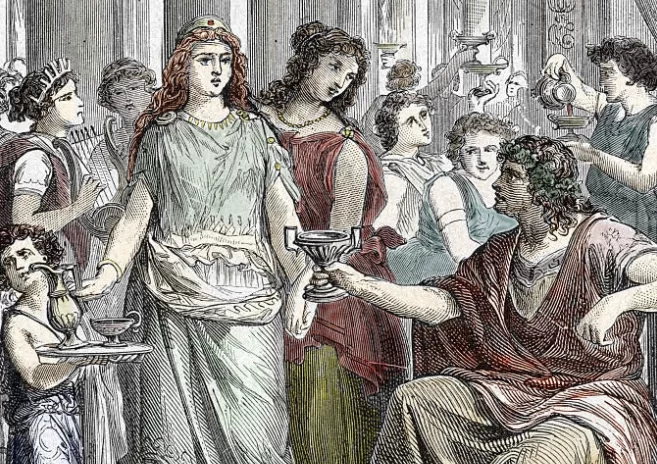
The history of the toast begins in Ancient Greece, where banquets brought together political alliances, social gatherings, and religious rituals. Amid the celebrations, hosts would clink their glasses to prove that the wine was not poisoned. If everyone drank from the same liquid, it became clear that no one was trying to harm another. Thus, the act of clinking glasses was less about celebrating and more about ensuring safety. It communicated honesty, transparency, and a silent pact of good faith among all those present. This first form of toasting established the foundation of what the gesture represents to this day: the certainty that we are united in trust.
The toast still carries the spirit of the first Greek banquets, when clinking glasses was the purest way to declare trust and share honesty.
O ritual romano que transformou o brinde
Over time, the Romans inherited the custom and transformed it into a rite. When raising their glasses, they offered the first sip to the gods as a form of gratitude. It is in this context that the word “toast” emerges. At banquets, a piece of bread was dipped into the wine to soften its flavor. The bread absorbed the acidity and made the drink more pleasant. The term we use today was born from this literal practice. In Rome, then, the toast ceased to be merely a gesture of trust and came to symbolize devotion and gratitude. It became celebration as both a spiritual and social act.
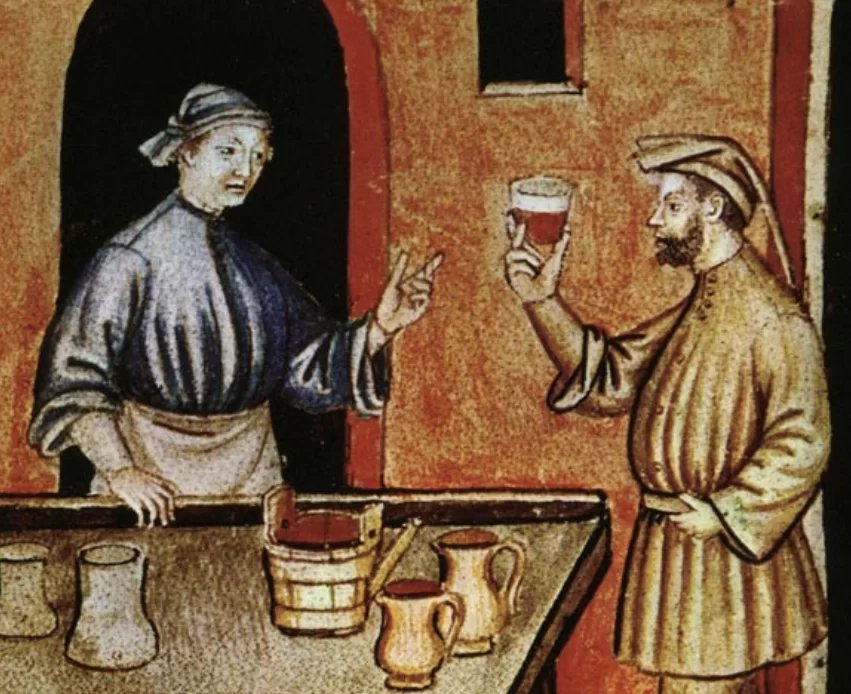
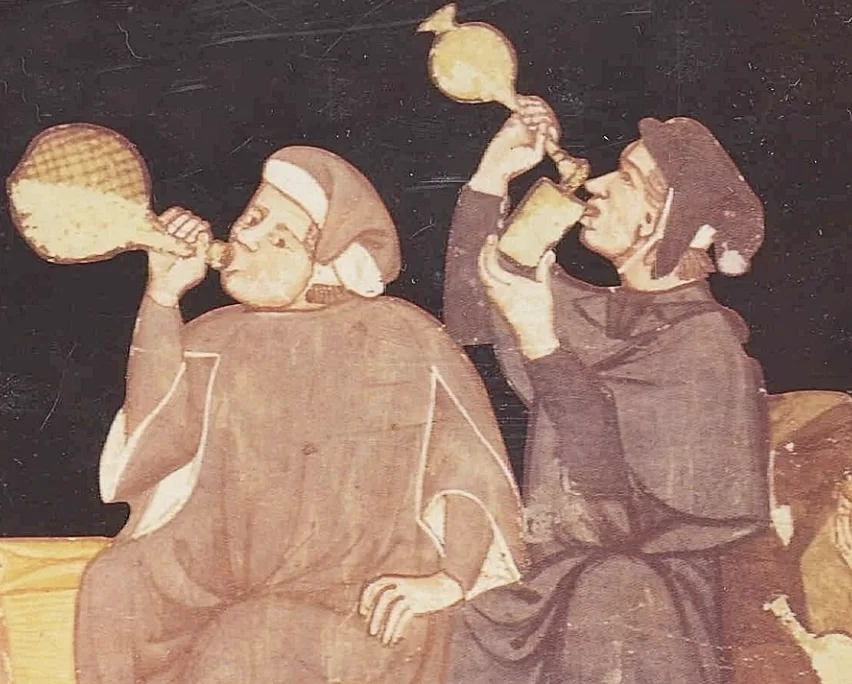
Throughout the Middle Ages, the act of toasting took on a political function. Among nobles, clinking glasses was an explicit sign that peace was established. In times of fragile alliances and constant suspicions, the sound of glasses publicly declared that the gathering was safe, the wine was pure, and the relationship was sealed. The toast transformed into a sonorous contract—a form of social and diplomatic commitment.
In various European philosophical traditions, sound was linked to the idea of harmony. It was believed that vibration was the basis of cosmic order. Therefore, producing sound when clinking glasses evoked the notion of unity among those present. It was not merely a casual gesture but a way to express balance, connection, and alignment. The small note that echoes in the air remains, to this day, an emotional signature of the toast.
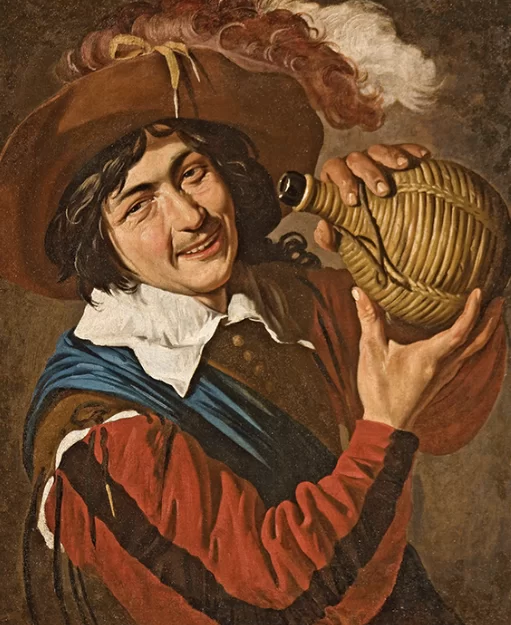
From the 17th century onward, crystal transformed the toast into an aesthetic experience. Impeccable transparency and superior brilliance elevated both the table setting and the ritual itself. The purer the crystal, the higher and clearer the sound emitted. Toasting became a sensory spectacle. The sophistication of European crystal—especially that produced in Bohemia and France—redefined the gesture. Clinking glasses became choreography, a symbol of refinement, and an essential part of social etiquette.
Over time, different cultures created their own expressions. In France, “santé” celebrates health. In Italy, “cin cin” arises from the very sound of the gesture, a cheerful onomatopoeia. In English, “cheers” expresses joy and conviviality. Each language reveals an emotional nuance, but all share the same purpose: to wish well, celebrate bonds, and reinforce gatherings.
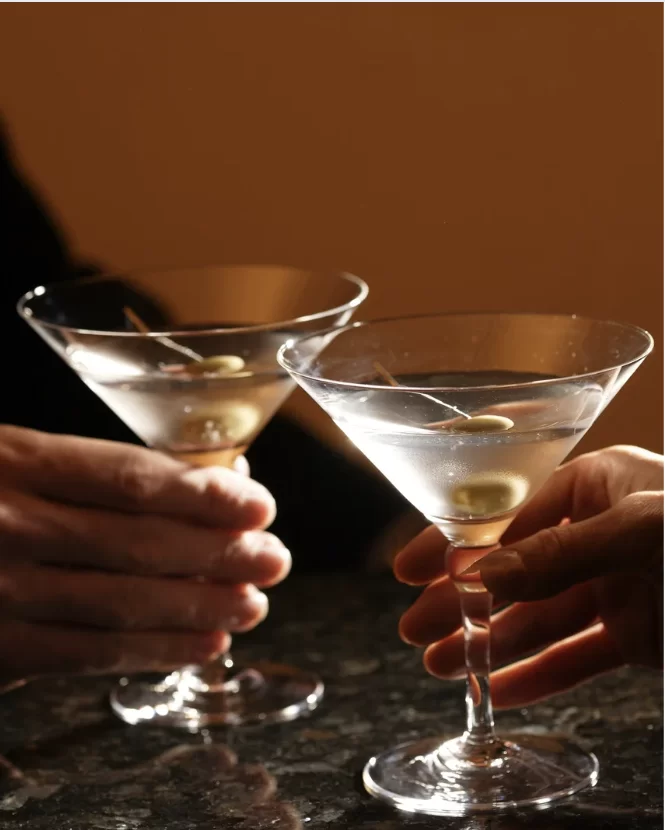
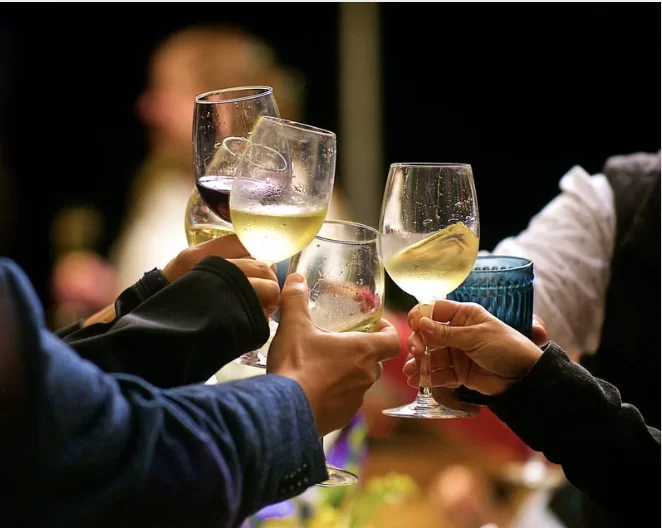
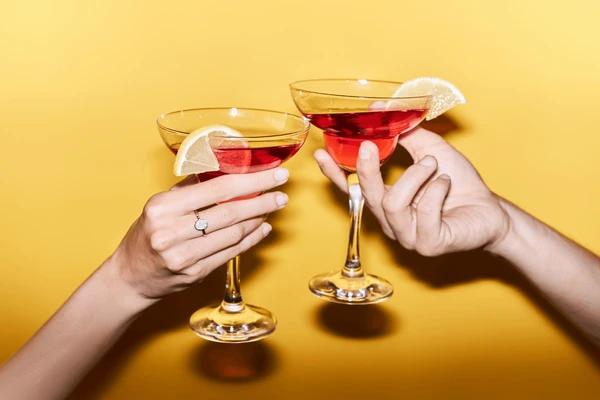
In the contemporary world, the toast retains its original essence. It brings people closer. The clinking of glasses creates a simultaneity among participants—a shared moment in which everyone takes part in the same gesture, the same sound, the same intention. It is believed that joy multiplies when shared, which is why we toast at intimate gatherings, significant celebrations, and simple moments that deserve pause and recognition. The toast is that small interruption that reminds us of the value of presence.
Behind every “saúde,” “cheers,” or “cin cin,” there is a story spanning entire civilizations. A gesture that began as a matter of survival, transformed into gratitude, became a pact of trust, acquired philosophical value, gained aesthetic sophistication, and today remains one of the most universal ways to celebrate. When clinking glasses, we repeat much more than tradition. We reaffirm the belief that joy, when shared, transforms into connection.