Michelle Rago and the creation of experiences that celebrate time, place, and people
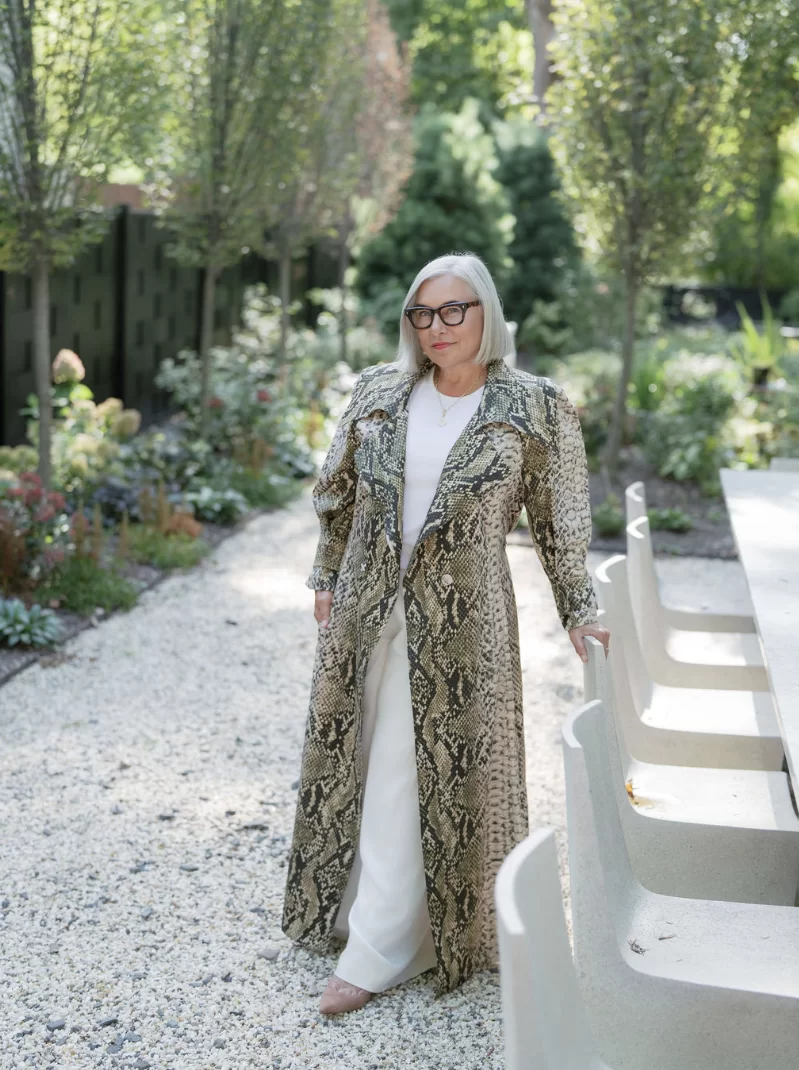
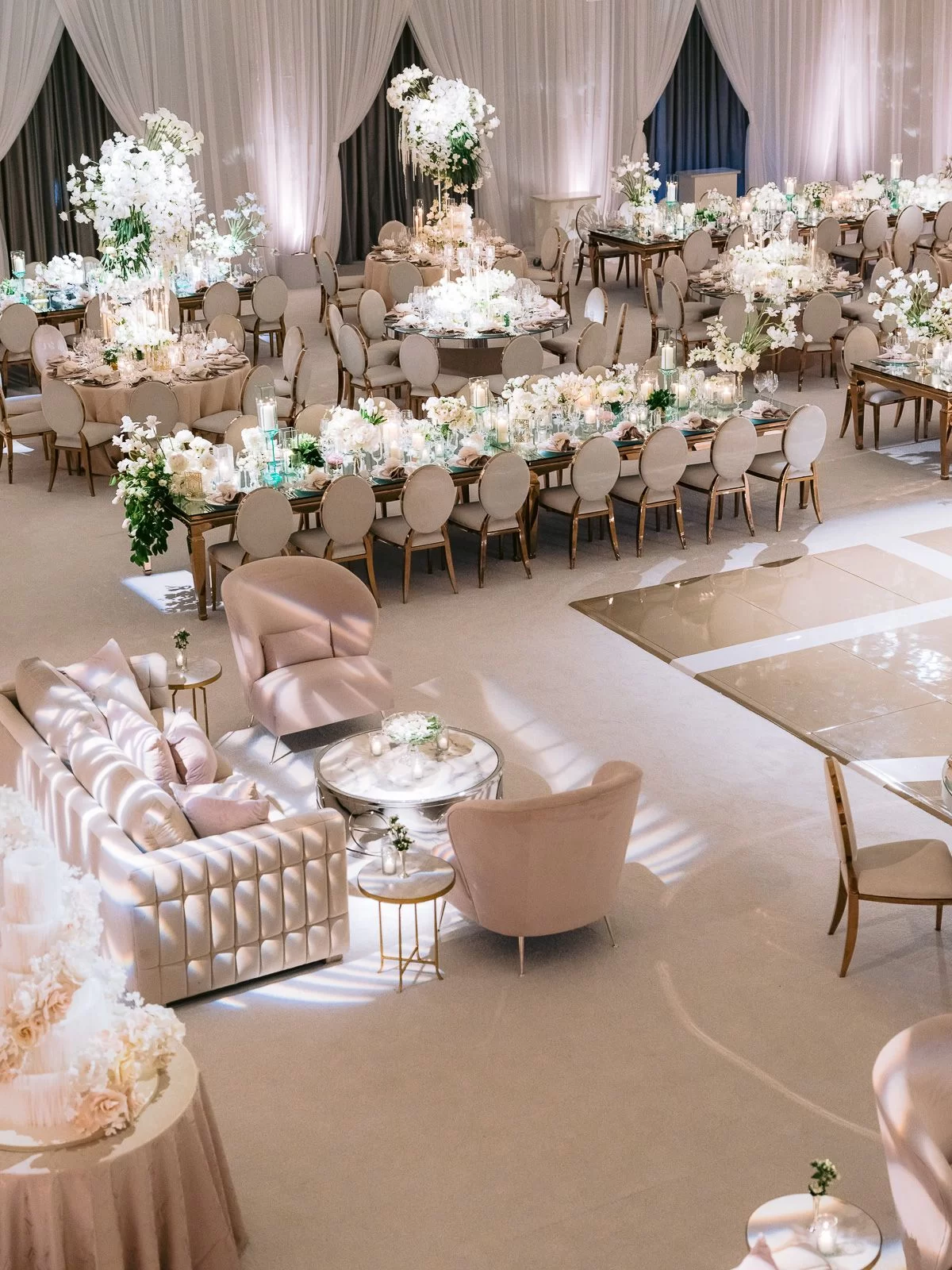
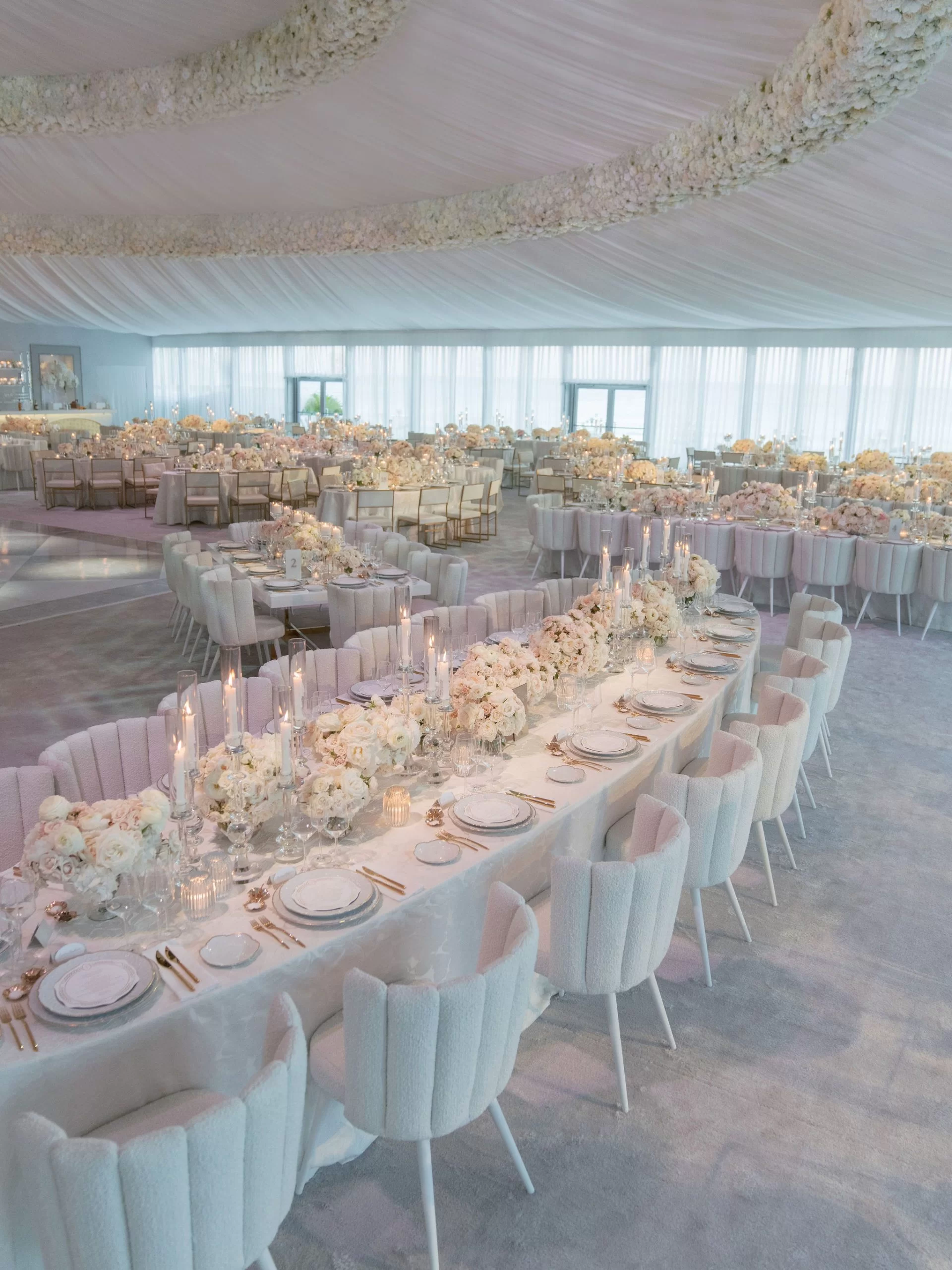
Michelle Rago has built a career that seems crafted from journeys, long tables, and stories remembered more for how they made people feel than for what they cost. From Belmond Resorts to private islands in the Caribbean, from Claridge’s in London to celebrations for names like Brooklyn Beckham and Nicola Peltz, the glow is evident—but it is never the center of the narrative. What sustains her work is another architecture: intention before scale, empathy before spectacle, culture before ornament. As she herself defines, “producing is assembling; designing is storytelling through rhythm, atmosphere, hospitality and intention.”
This emotional precision is not born in polished ballrooms. It emerged in New Jersey, where Michelle worked from an early age, moving through modest jobs until the symbolic moment of filing her work papers at 14, alongside her mother. There, she learned that “trust comes from competence” and that nothing truly solid is built without consistency. The result is a leadership style she describes as calm under pressure, deeply responsible, and driven by a simple, rare desire: to make people feel safe and cared for.
There are also less visible yet decisive inheritances. Her mother, one of the first women to graduate from Princeton, taught her that you don’t wait for permission to take up space—you build your own path. Her grandfather, an artist by nature, left behind guitars, paintings, and portraits, and the silent conviction that rigor and poetry are not opposites. Perhaps that is why Michelle says empathy is the true “operating system” of any team, while logistics is only the tool. Without the former, you might impress—but you cannot build true trust.
Before founding Michelle Rago Destinations, each chapter was a school. Florals taught her emotion and restraint. Hospitality taught her that service is language. Production taught her that beauty must endure climate, time, personalities, and chaos—without losing its delicacy. When her work caught the attention of Darcy Miller of Martha Stewart Weddings, she didn’t immediately recognize the turning point. “The brand is just the trail left by consistent decisions,” she reflects. Instinct first, always.
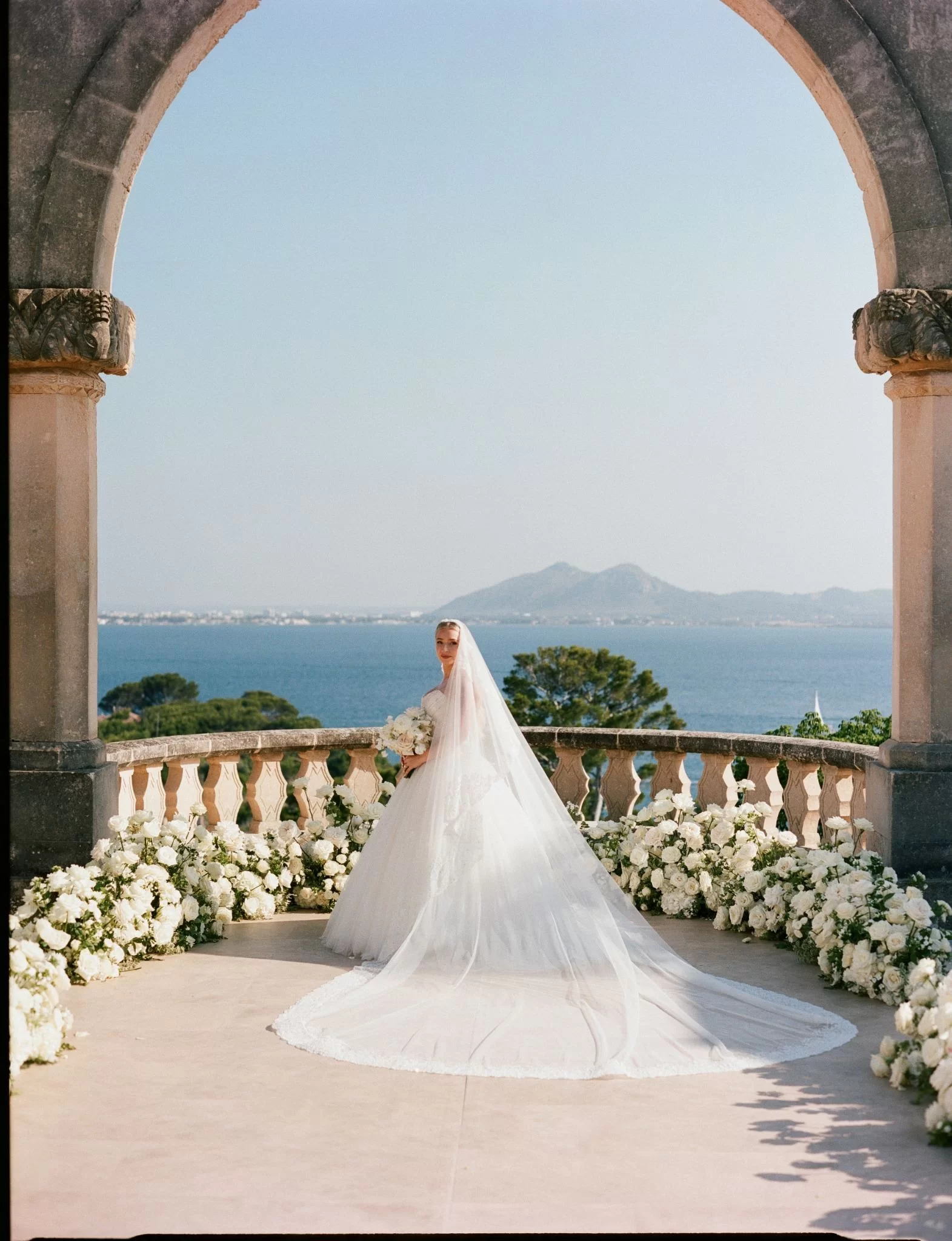
The wedding in Harbour Island marked the moment when Michelle realized what would truly drive her from then on: destinations are not settings, they are collaborators. Each place dictates rhythm, palette, textures, and hospitality gestures. That’s why cultural research is non-negotiable. “Research is respect,” she asserts, reminding that without this deep listening, what you create is just styling—not narrative. Upon arriving at a new address, Michelle observes how the place breathes: light, sound, scent, service. The celebration, for her, must be rooted, never imported.
Working with high-profile couples requires more than technical excellence. It demands diplomacy, discretion, and an almost choreographed calm. Michelle builds trust by solving problems in silence, genuinely listening, and creating an environment where the client can relax and fully live the process. At the top of the industry, she is categorical: extravagance is easy to buy; intention is hard because it demands truth. When there is intention, the event becomes human—and what stays in memory is the emotion, not the scale.
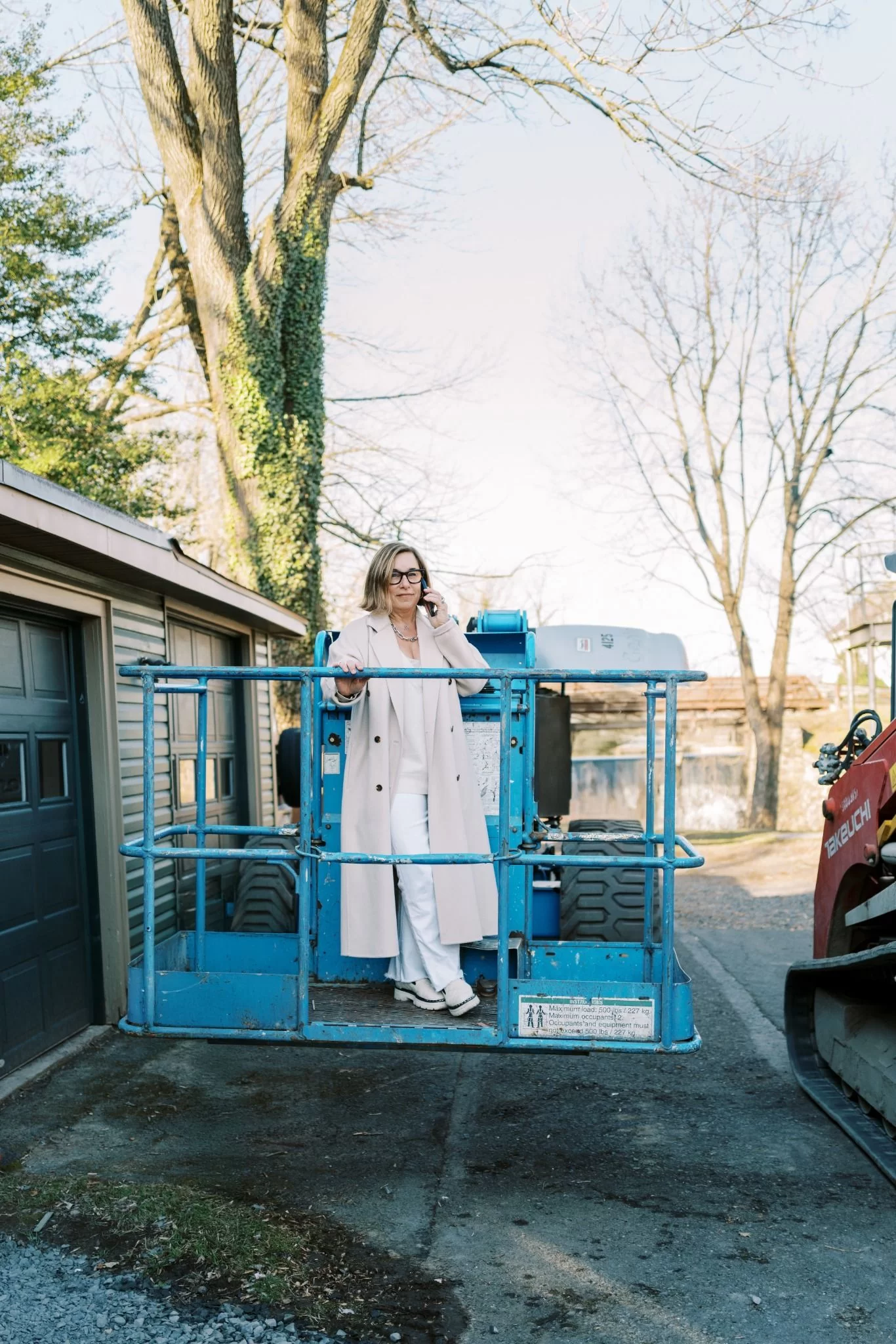
Between airports and site inspections, there is another Michelle, more quiet. In her home in Lambertville, surrounded by antiques, natural light, and spaces designed for hosting, she cultivates small rituals: cooking, walking, arranging flowers, leafing through books, dreaming of the garden. No television. With time. It is there that the system decelerates and she becomes a person before a producer again. “Home is the counterweight,” she says—the place where the heart reorganizes.
Three decades later, still relevant and profitable, Michelle declares that her greatest prides do not fit into portfolios: they are the relationships she has built. The legacy she aims to leave isn’t an archive of set designs, but the feeling of having served with love. “Being of service is sacred,” she summarizes. If life were a celebration, the guiding emotion would be gratitude—not as a speech, but as an everyday practice. In a world that confuses impact with noise, Michelle Rago keeps crafting experiences that breathe. And that is what endures.