A história, a estética e a energia que transformaram um clube em fenômeno cultural
Some places belong to geography and others to the imagination. Studio 54 has always been in the latter group. Located in the heart of Manhattan, the club was born in 1977 and quickly ceased to be merely a nightlife venue to become a global symbol of freedom, daring, and excess. In a decade marked by contrasts, it captured the spirit of the era with a magnetism that no photograph, account, or archive can fully convey. The true atmosphere of Studio 54 lives in fragments: light, glitter, sweat, music, and an energy that pulsed as if every night were the last.
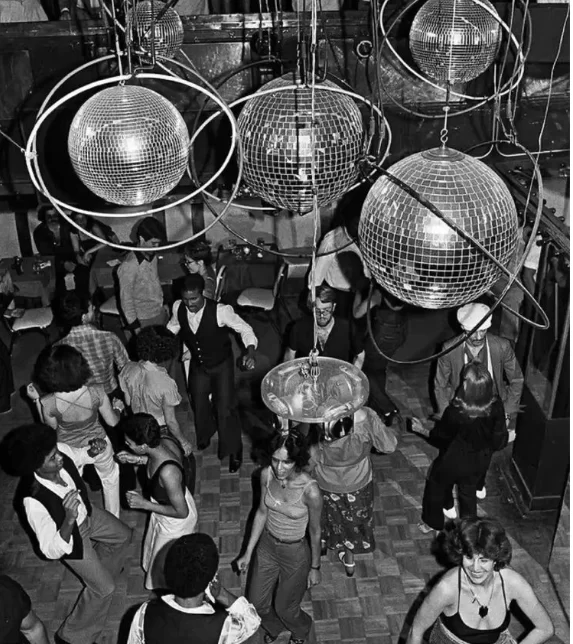
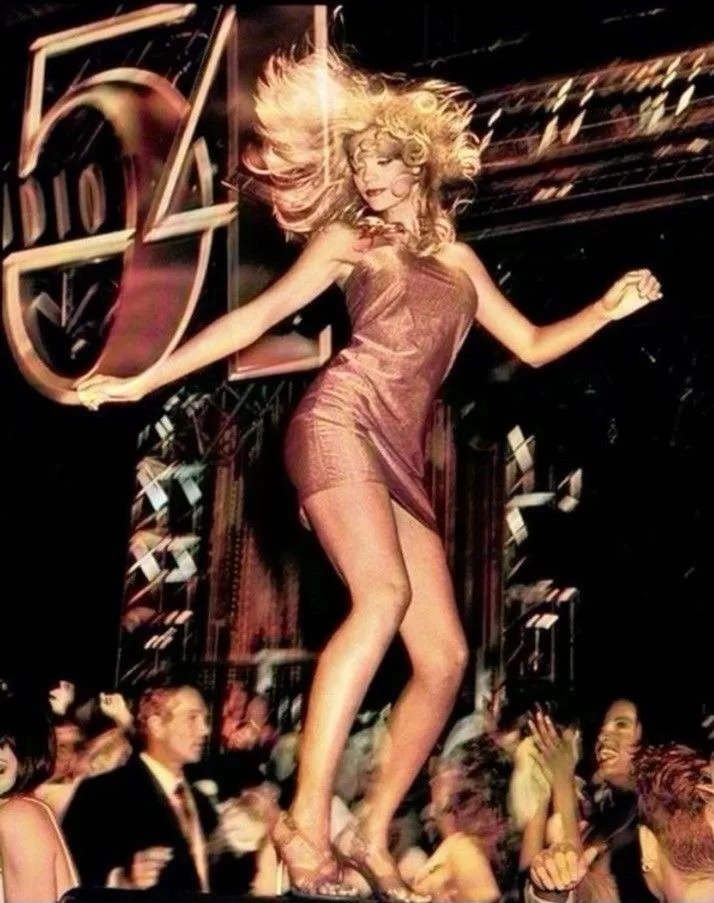
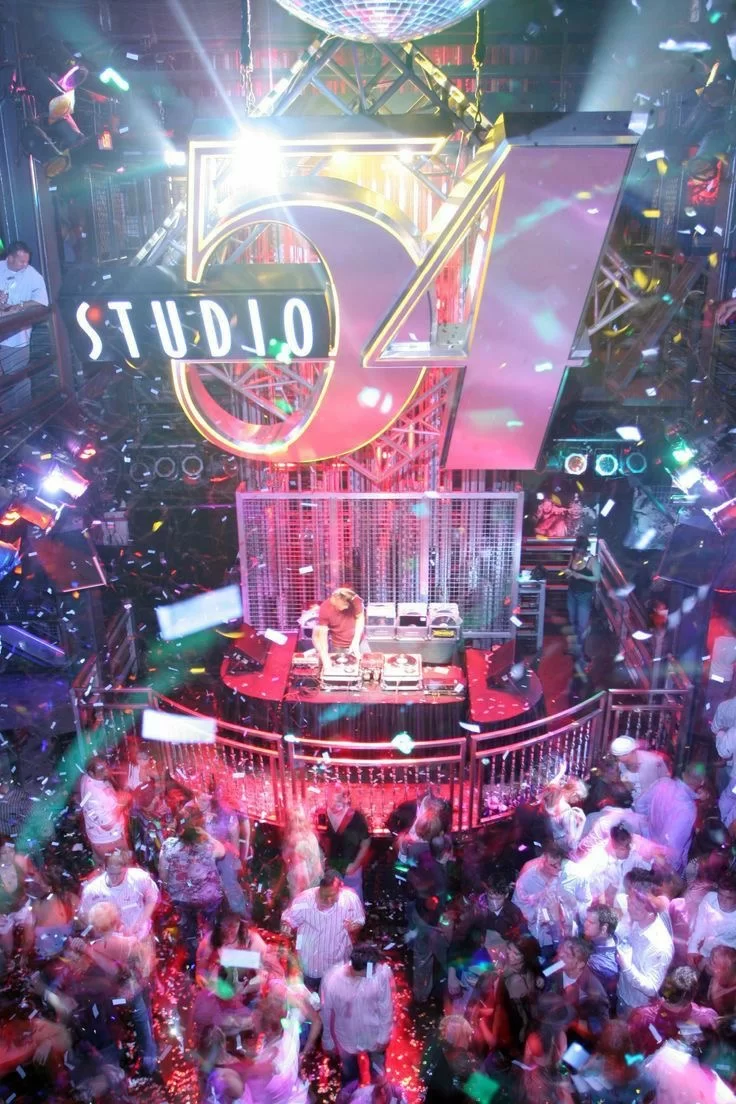
What set Studio 54 apart was not just the dance floor or the high-octane soundtrack. It was the dramaturgy. Each party was conceived as a spectacle. The themed events, always extravagant, went beyond impressive sets. They were complete experiences, with unexpected performances, delirious productions, and a sense of theatricality that turned the club into a stage. There, the night had its own choreography, designed to provoke, liberate, and seduce. Excess was not an accident. It was the signature.
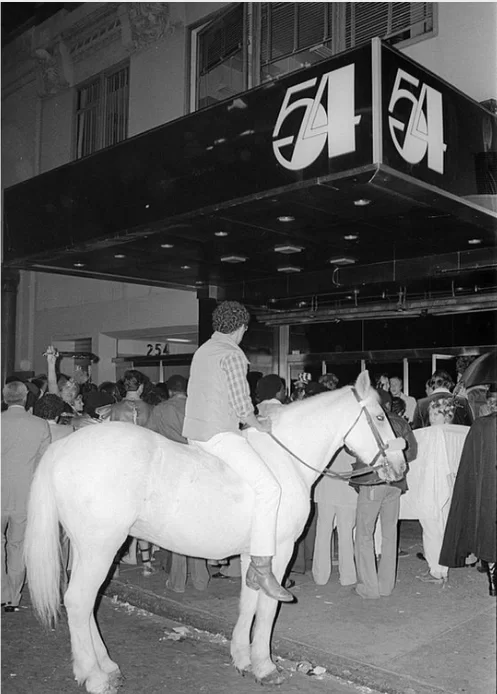
A fundamental part of this universe began even before entry. The door team became legendary for its discerning selection. Getting into Studio 54 was, in itself, a rite. Long lines formed in front of the club as the crowd awaited approval, almost like those waiting for a verdict. It wasn’t just about beauty or fame, but about charisma, attitude, style. Steve Rubell, one of the founders, often said he wanted “the most incredible party possible,” and for that, human curation was essential. The door at Studio 54 became as much a myth as the dance floor.
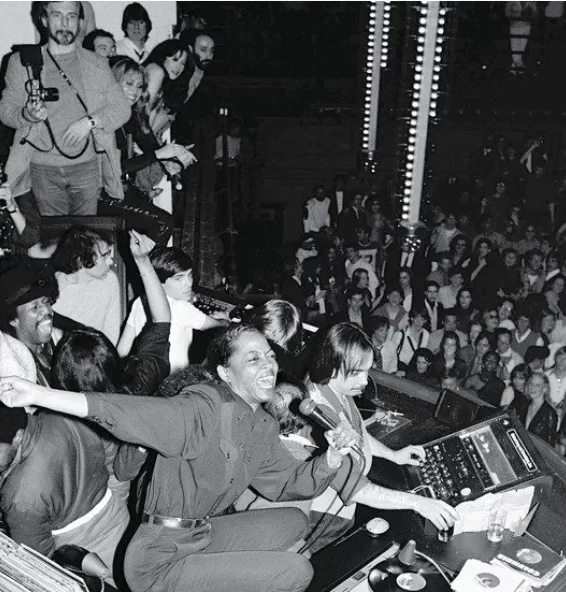
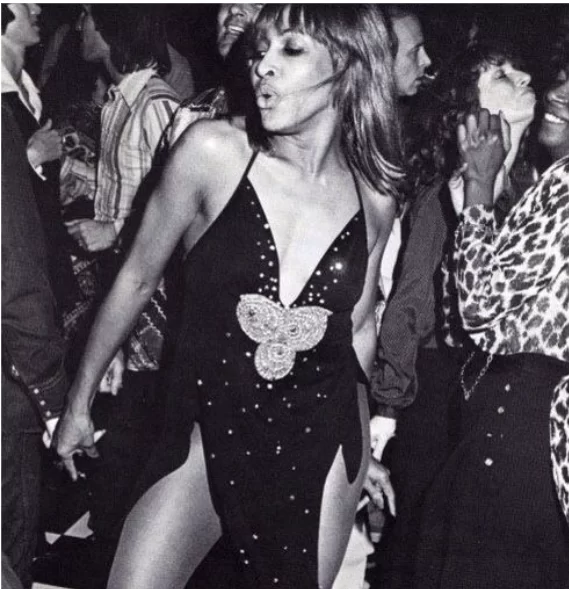
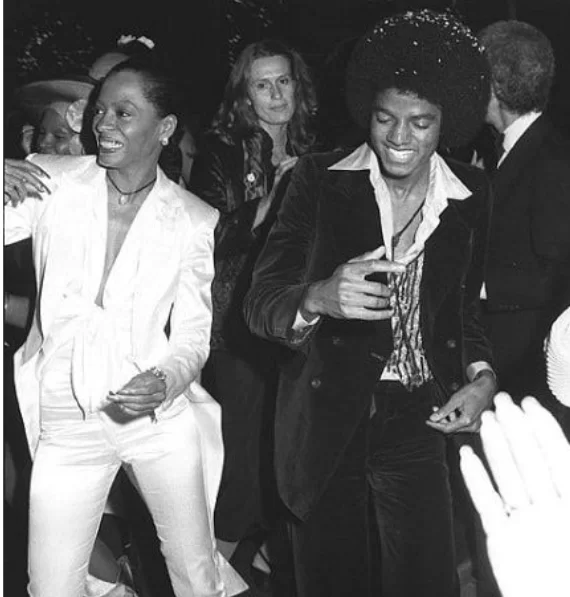
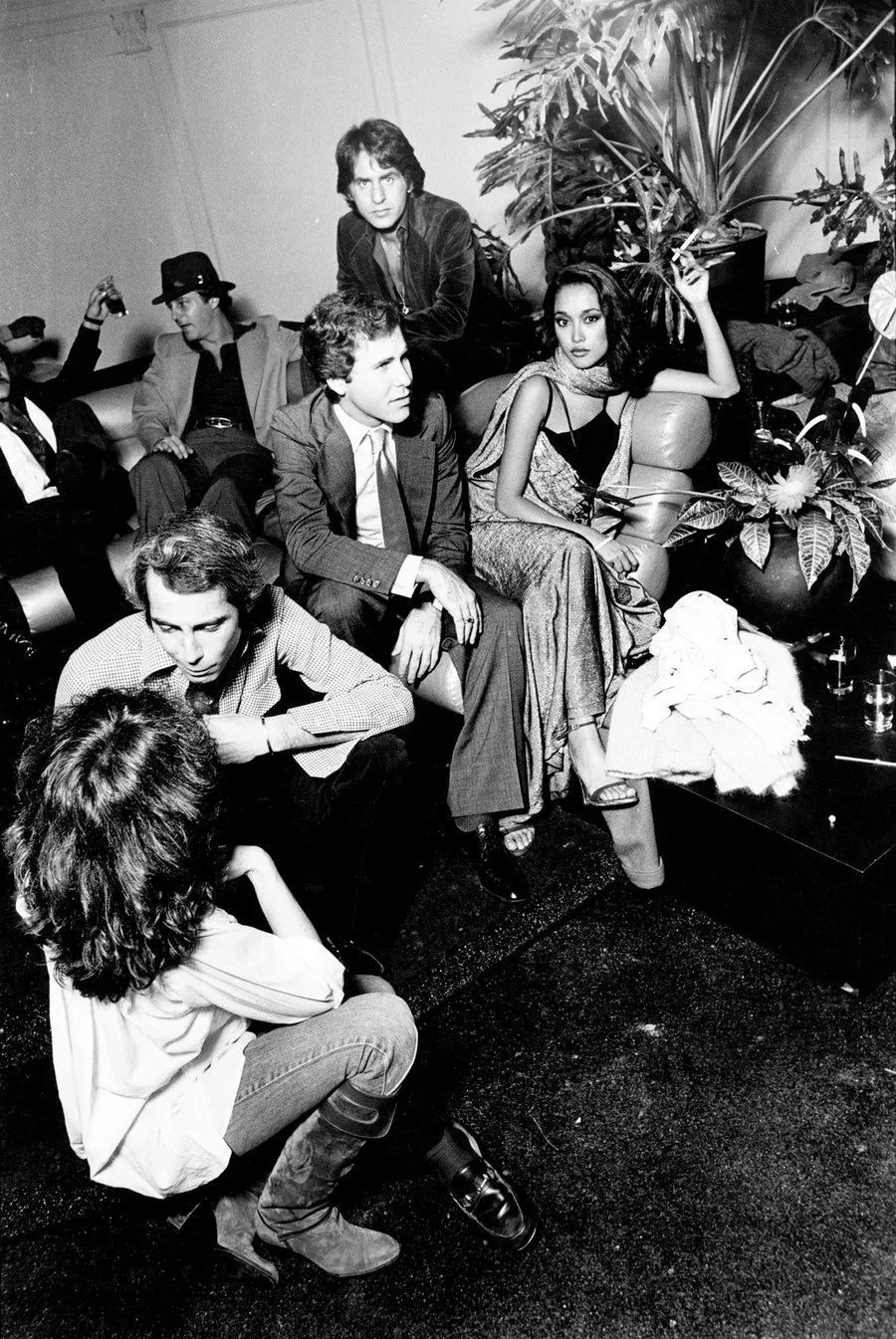
Once inside, the spectacle continued. Photographers like Ron Galella and artists like Andy Warhol roamed freely, capturing faces lit by the lights, futuristic looks, spontaneous gestures, and that indescribable glow that existed only there. Studio 54 was not just a backdrop; it was a living museum of excess. The images captured in those hallways helped translate to the world the fashion, spirit, and aesthetic that defined a generation.
Music was the heart of Studio 54. A contagious mix of disco, funk, and the electronic elements of the time built the soundtrack to endless nights. There, the beat was a collective invitation to liberation. Bodies glided across the floor as if part of the same pulse, united by the rhythm and the feeling that dancing, in that moment, was almost a manifesto. Disco was not just dance music; it was the sound of an era that sought to break with convention and embrace hedonism without shame.
Many artists left their mark there. Grace Jones, with her sharp aesthetic and magnetic presence, turned the stage into an event. Donna Summer, an icon of disco music, took the audience to ecstasy with performances that shaped the club’s cultural memory. And it was also at Studio 54 that Michael Jackson first debuted the dance that would become a landmark in entertainment history: the moonwalk. On the stage, under the club’s lights, the move glided before the audience for the first time, inaugurating a gesture that would be replicated by entire generations.
Even after its official closure in 1986, the spirit of Studio 54 refused to disappear. It was reopened at different times and locations, always trying to recapture that initial sparkle, even though the original carried an aura impossible to reproduce. Nostalgia remains alive because Studio 54 was not just a club, but a collective phenomenon. Its legacy crosses music, fashion, behavior, photography, performance, and the very idea of urban freedom. It influenced how we dress, how we dance, how we relate to the night and to excess.
Studio 54 continues to be remembered because, more than entertainment, it offered belonging. It was the place where people could be amplified versions of themselves. Where fantasy had room, the improbable was the norm, and the night felt endless. In a world that so often demands restraint, Studio 54 remains as a symbol of the opposite: a visceral celebration of expression, identity, and pleasure.
For those seeking to understand the club’s magic, perhaps the answer lies in the honesty of its excess. It never wanted to be discreet or moderate. It wanted to be pure intensity. And it was precisely that intensity that turned it into a myth.